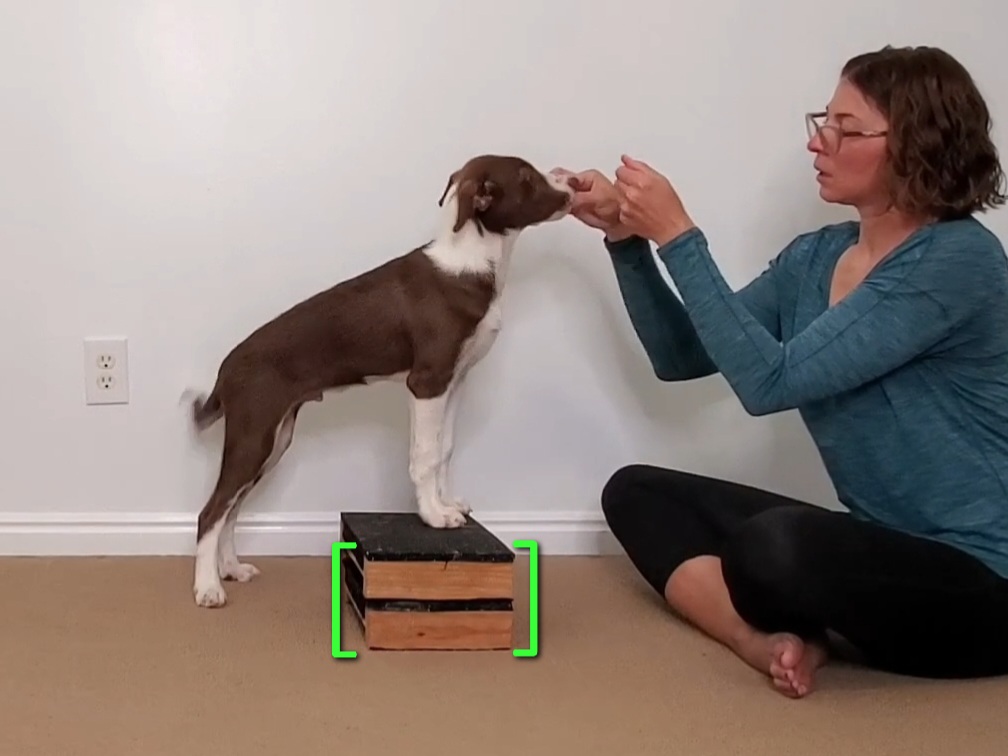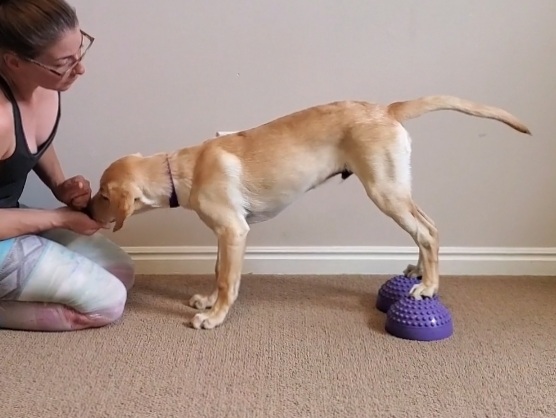

Purpose: Metatarsal Stand is a strength and endurance building exercise for the musculature in the rear feet and hock. Building strength, endurance, and stability through the joints at the bottom of the pelvic limb reduces the risk of impact related injury to the joints and soft tissue further up the kinetic chain. So this exercise can be protective against injury to the digits and foot itself, along with reducing risk to the stifle and meniscus, iliopsoas and other hip flexors, as well as the gracilis and other hip adductors.
If your pup is dealing with Flat Feet, Rolling Off the Toe Pads, or Splayed Feet, this exercises can be used to help reverse the muscle imbalances underlying these postural deviations.
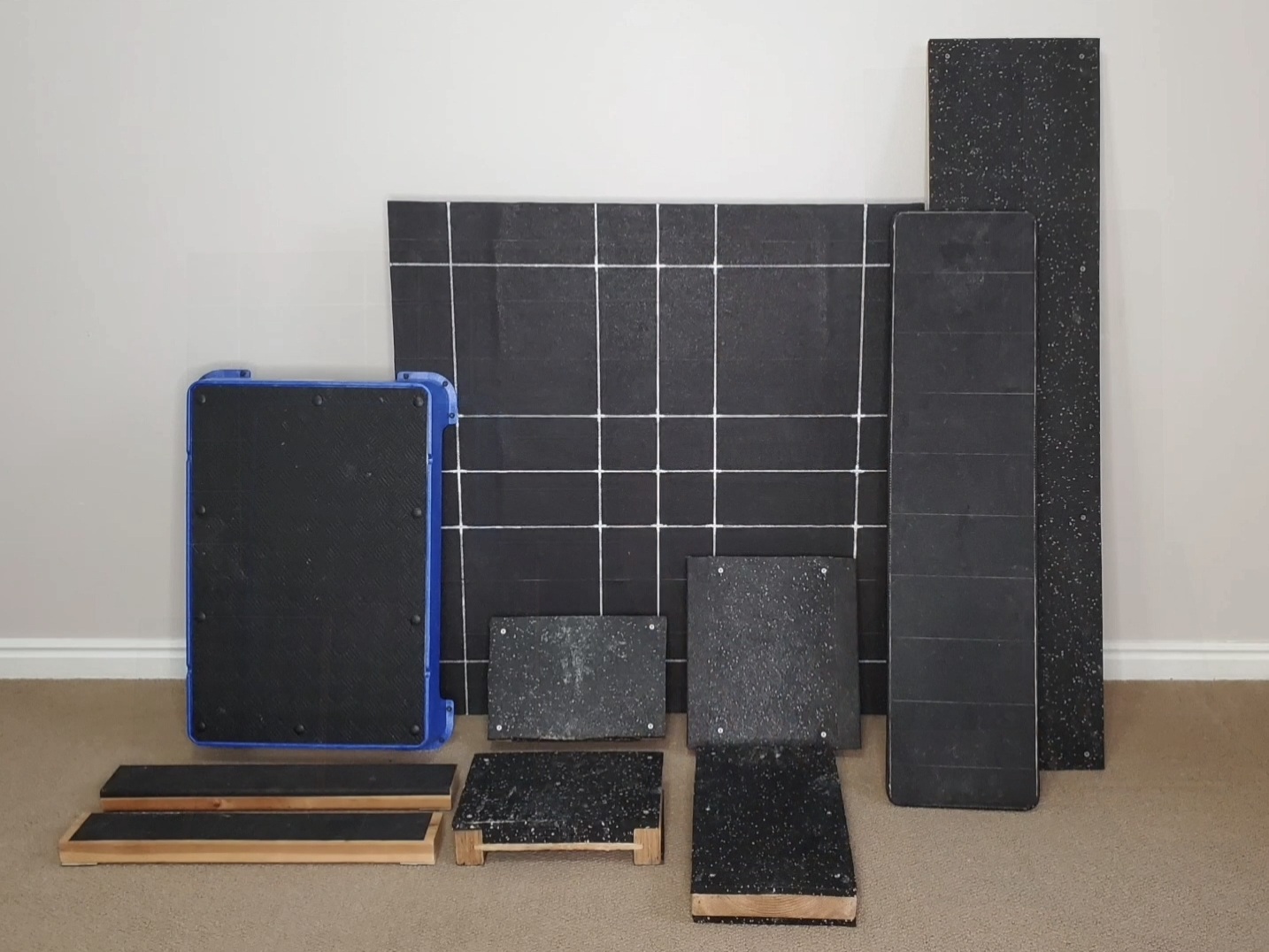
Equipment: Plyo box or Klimb, Balance Pad or 2 Paw Pods, 1 Foot Target (optional to customize prop height)
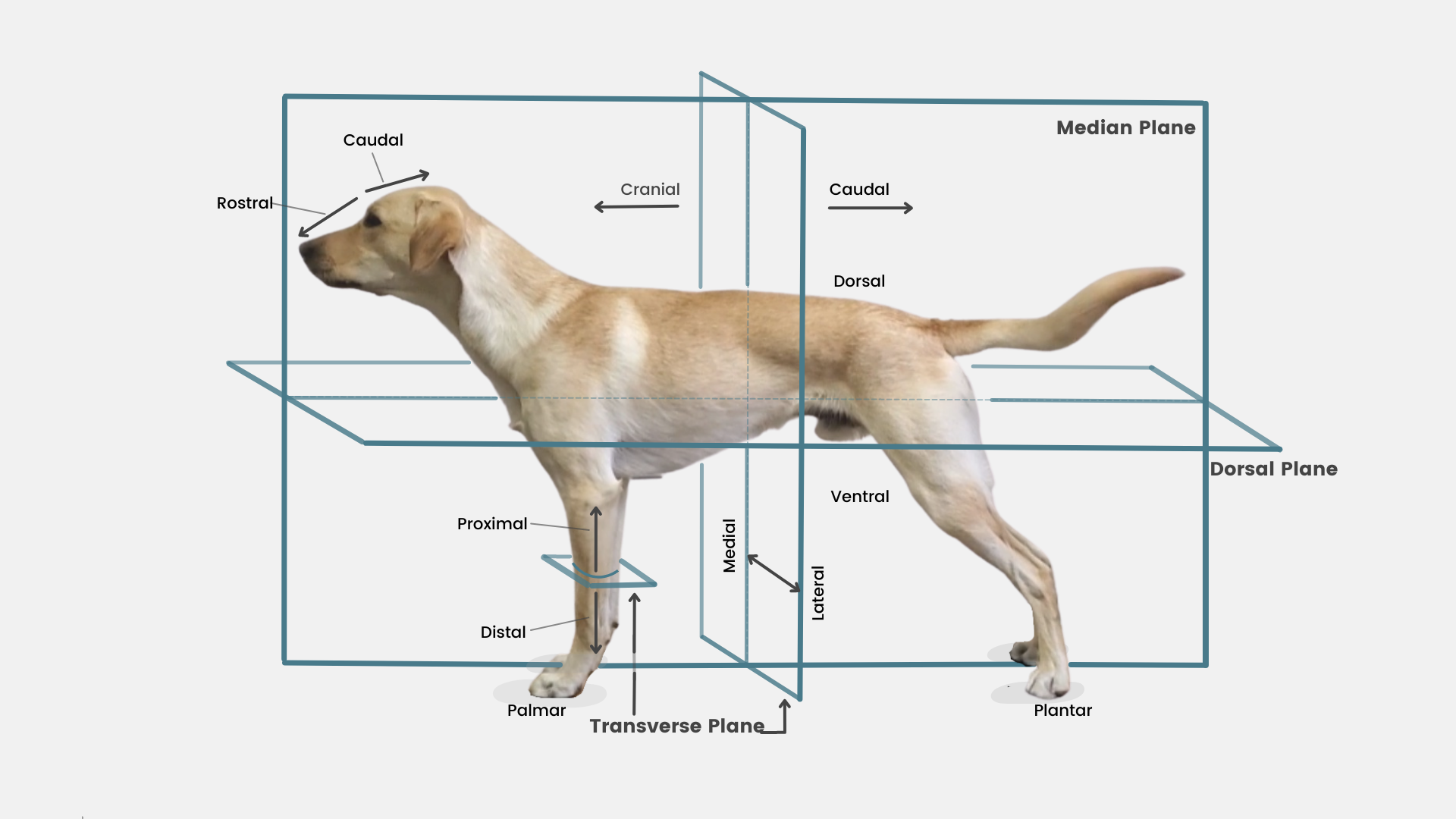
Targets: Deep / Superficial Digital Flexor, and Interossei in the rear feet.
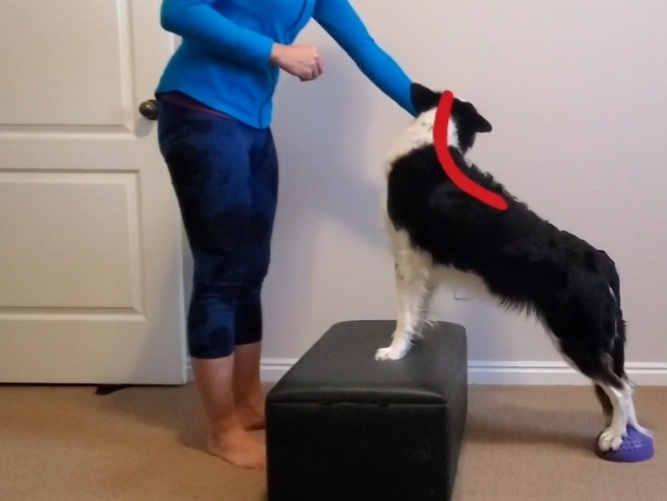
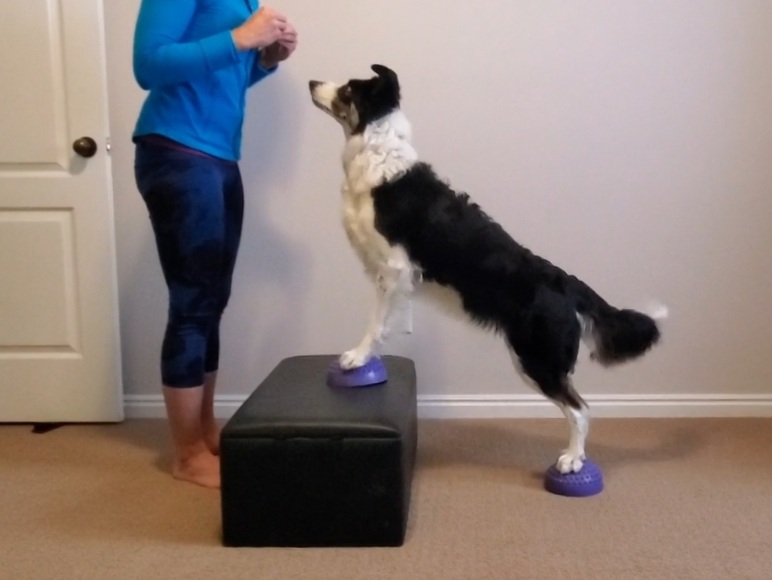
NOTE: Prop Setup should be such that the front feet are elevated about elbow height or slightly lower (taking into consideration the height of the Rear Foot Target). This will keep the spine angle below 45°, and ensure this exercise does NOT become a core strength exercise, ensuring we can focus on the foot muscles.
Watchpoints:
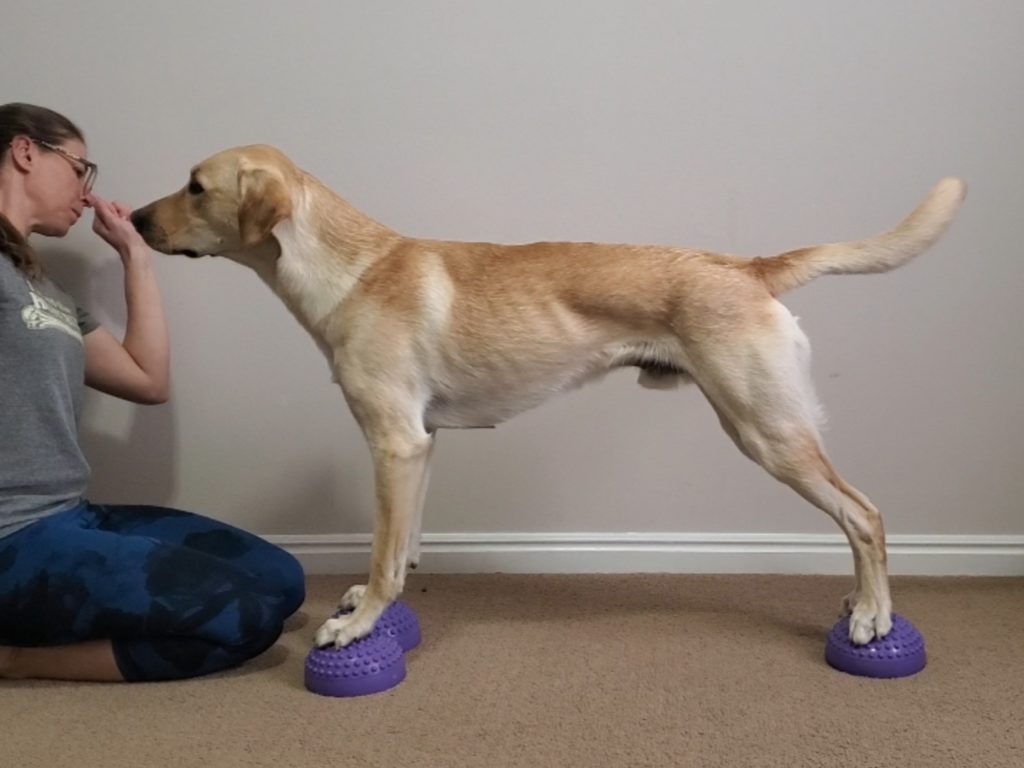
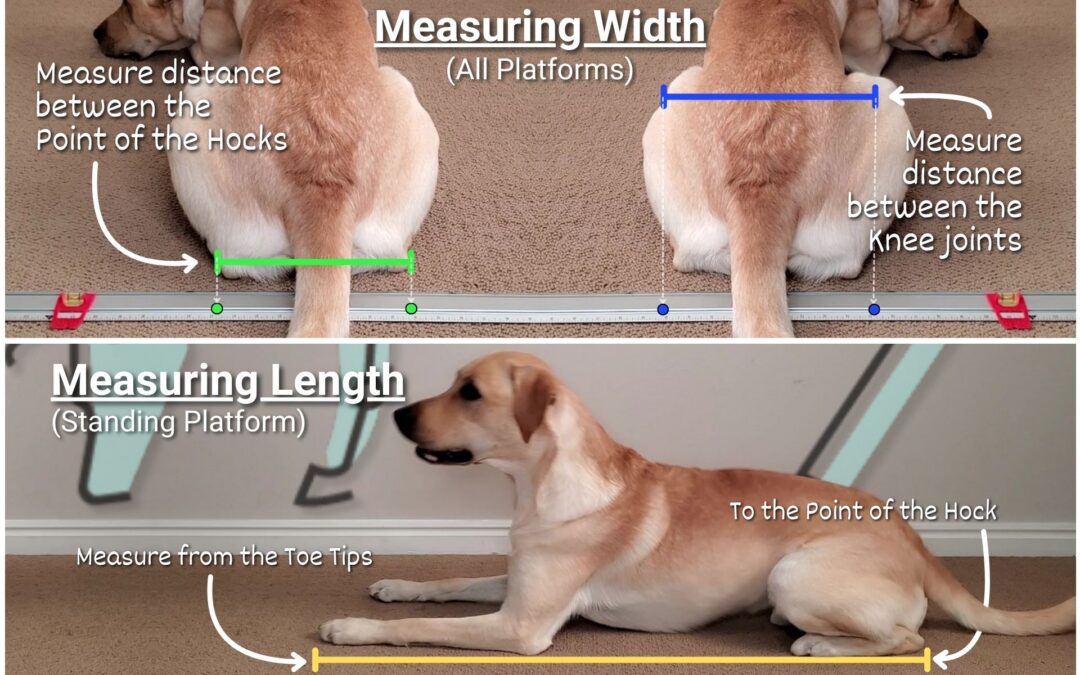
- It’s important the spacing between the Front and Rear Foot Target promotes neutral alignment (antebrachium and hock vertical) or slightly short of neutral. We do NOT want to start in an Overstretched Stand.
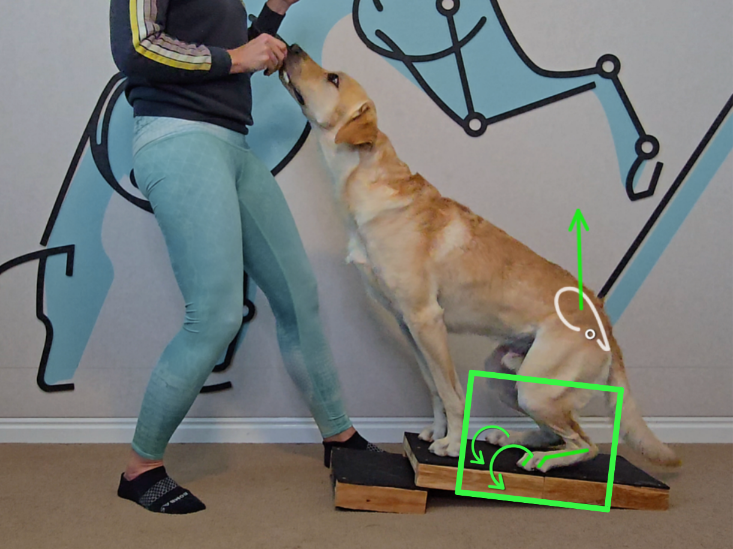
- Placement of Reward will be used first to draw the dog FORWARD, loading the front of the digital pads. Then we’ll adjust Placement of Reward UPWARD to “force” the dog to elevate the torso, via the engagement of the digital flexors. We should see the metatarsal pad (heel pad) lift, as shown in the video.
- If you need to target the innermost digits, a single Paw Pod can be used under the rear feet. It can be helpful to work through the Introducing 1 Pod video tutorial first.
- As you progress through your reps and sets, make sure to watch for continued toe flexor engagement. If you can no longer see the movement that signals proper engagement, stop. You have unintentionally exceeded the fatigue threshold, and are no longer recruiting properly.
- Any change in behavior, or avoidance should be seen as fatigue NOT DISOBEDIENCE. This exercise is very challenging.